
Orionid meteor shower peaks next week: how to see Halley's Comet debris from Manchester despite the Moon |
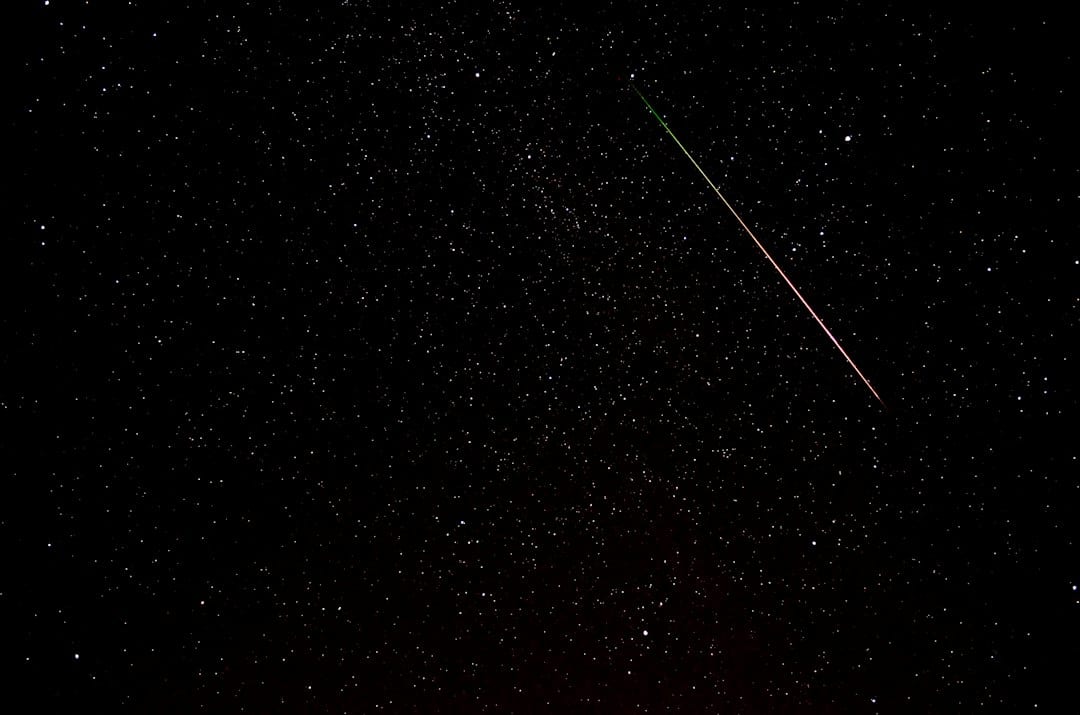
The Orionid meteor shower reaches its peak next week, on the night of 21 to 22 October, and the Moon will make it harder to see from Greater Manchester than in a dark-sky year. It is still worth a look if you are prepared to stay up late and pick your spot.
According to the Royal Observatory Greenwich, the Orionids are active from 2 October to 7 November and peak on the night of 21-22 October, between midnight and dawn. The observatory says there is a broad maximum lasting about a week, so the nights either side of the peak are also worth trying.
The meteors are specks of dust left behind by Halley's Comet (1P/Halley). Each year Earth passes through that trail of debris. NASA says Orionid meteors are fast, travelling at about 41 miles (66km) per second, and can leave glowing trails that last from several seconds to minutes.
How many will you see? The Royal Observatory says up to 15 meteors an hour should be visible to the naked eye in the right conditions. NASA gives about 10 to 20 an hour under dark skies. Those are best-case figures: Sky at Night magazine notes that in the UK the number people actually see is normally lower than the quoted rate.
The Moon is the problem this year. It will be a waxing gibbous Moon on 21 October, and the Royal Observatory says its light will interfere with the shower. The observatory advises staying up in as dark a place as possible until after 2am, when the Moon sets, to see what it calls "a modest yet beautiful shower". Its timings are given for London, so check the moonset time for your own location. Full Moon follows on 26 October.
Sky at Night adds that the peak is expected at about 1pm BST on 21 October, which makes the nights of 20-21 and 21-22 October the best for spotting Orionids. Because the Moon is nearly full around the peak, its writers suggest watching about a week earlier, when the sky is darker, if you can.
How to watch:
Also in the sky: the Royal Observatory says Saturn and the Moon will appear close together from about 9pm to 3am on 24-25 October. Saturn is the brightest star-like object in the southern sky at the moment.
The earlier Draconid shower, which the Royal Observatory listed as active from 6 to 10 October, has now finished.
Sources: Royal Observatory Greenwich (Orionid meteor shower 2026 guide; Night sky highlights, October 2026; Meteor shower calendar 2026); NASA Science (Orionids); Sky at Night magazine (Orionid meteor shower 2026, 13 October 2026). This article was produced with the help of AI tools and checked by an editor against the sources above. |




0 Comments
Join the conversation
Be the first to comment
Share your thoughts above.