
Be Ready: what the government says to keep at home for three days of disruption |
What the Be Ready checklist says to keep at home, from water and food to a first aid kit |
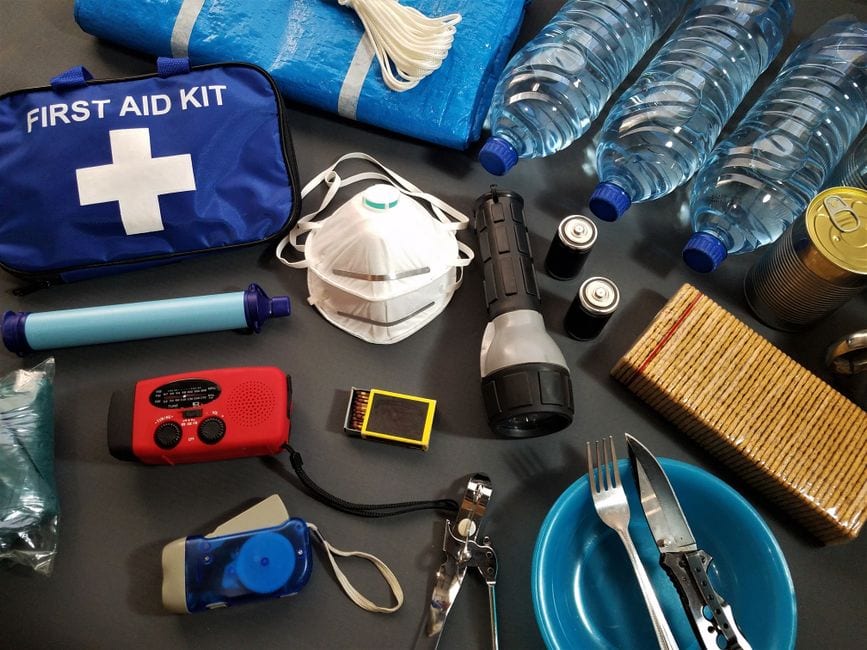
The government is asking every household in the UK to be ready to cope for three days if everyday services such as power, water, phones or the internet are disrupted. The advice is part of Be Ready, a three-year campaign the Cabinet Office launched on 22 October 2026, and it comes with a free checklist you can download and tick off at home.
The government says that if households who are able to prepare do so, emergency services can concentrate on the people who need help most. It also stresses that you do not need to buy everything at once, and that many of the steps cost nothing.
What the checklist says to keep at home
What goes in the first aid kit
The Be Ready guidance lists waterproof plasters, bandages, a thermometer, antiseptic, eyewash solution, sterile dressings and gloves, medical tape for dressings, and tweezers.
How to get started
The government suggests five steps: check what you already have in your cupboards, note down what your household still needs, pick up missing items gradually on regular shopping trips to spread the cost, set a reminder every six months to check expiry dates, and talk to your neighbours about how you could help each other during an outage.
Some of the free steps are worth doing now. You can check whether you are eligible for the Priority Services Register, which tells your energy and water companies that you may need extra help during a supply cut. The guidance says many households qualify, including those with children under five. It also recommends writing down the number to report a power cut, which is 105 in England, Scotland and Wales.
The full checklist and a printable household emergency plan are on the government's Be Ready website.
Sources: Be Ready, UK Government (checklist, first aid items, getting-started steps, Priority Services Register, 105 power cut number); Cabinet Office press release (22 October 2026; campaign launch, three-year campaign, aim of the advice). This article was produced with the help of AI tools and checked by an editor against the sources above. The photo is an illustrative picture of emergency supplies. |


0 Comments
Join the conversation
Be the first to comment
Share your thoughts above.